



Paradise Lost
By Bruce Baker
Daniel Boone left Virginia for Kentucky, and later left Kentucky for Missouri, in search he said, of “elbow room.” It is a story that repeats itself throughout history, in every corner of the world. A pioneer stakes out a spot in the wild to call home and begins his life. Slowly, however, civilization follows the trail he has blazed, and he finds he must leave it behind as “the progress of man” has ruined it. The Dire Straits’ tune “Telegraph Road” tells the tale succinctly:
A long time ago came a man on a track
Walking thirty miles with a pack on his back
And he put down his load where he thought it was the best
He made a home in the wilderness
He built a cabin and a winter store
And he ploughed up the ground by the cold lake shore
And the other travelers came walking down the track
And they never went further, no they never went back
Then came the churches, then came the schools
Then came the lawyers, then came the rules
Then came the trains and the trucks with their load
And the dirty old track was the Telegraph Road
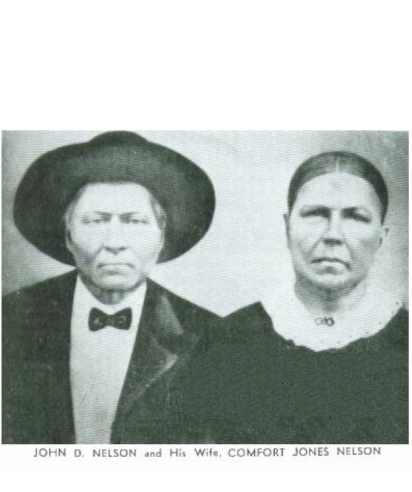
What follows is an eerily similar story of one such Cherokee County pioneer, a gunsmith by trade who’d left England in the early 1800s. (Well, at least by some accounts. Others say the sojourn from England was made by his parents, and that he was born in South Carolina.) He and his three brothers made for the interior of this “New World” as soon as they got off the boat in search of farmland. At some point during his trek through the woods of North Georgia, he came to Sharp Mountain Creek. While looking for a place to cross, he came around a horseshoe bend and saw the rusty stain on the opposite shore. This would be home, he decided, with a ready supply of iron ore for his blacksmith shop beneath a large oak tree. It began slowly. He’d wade into the river, returning with rocks one load at a time to a spring he’d found nearby. Under the oak tree near the spring, he built a forge to melt down the iron ore. In England he’d used coal, but his grandfather, also a blacksmith, had taught him how to produce charcoal from wood. The forests around him were all but endless, and before long he was producing iron ingots just as the Roman Armies had taught his Anglo-Saxon ancestors to do around AD 100. Legend says that his first products were a broad axe, a froe, and nails, all needed to build a hand-hewn log home. The axe blows drew the attention of the local natives, who stayed a distance but watched the large, strong Englishman work. He kept his rifle nearby but continued his work. In time, curiosity would overcome their reluctance, and they sat closer, watching the man work his magic. A friendship emerged, and some even helped carry the rocks to the fire to see him melt the stone. When the house was finished, he began making all sorts of things for his neighbors: rifles, ploughs, axes, spinning wheels, and the like. Some of these went to his native friends, but a few Europeans had settled nearby, at least in a relative sense—the nearest one lived 2 miles away, and the second closest lived 15 miles away. Small communities began to spring up at those two locations, and soon a road made by wagon tracks connected him to them. By now he’d cleared land in a part of his valley and planted food crops and cotton. He installed a water pipeline from the spring to his house—a first for Cherokee Count —and a marvel to his neighbors. He married and had several children.

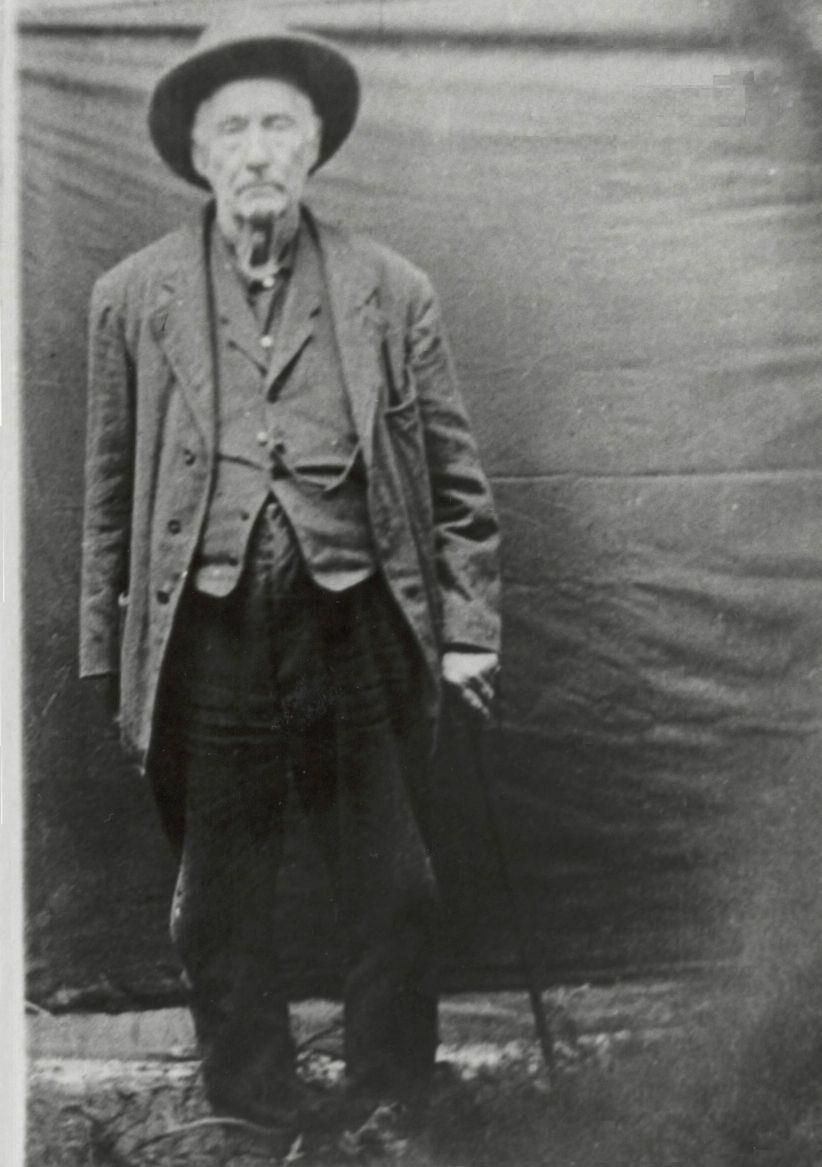

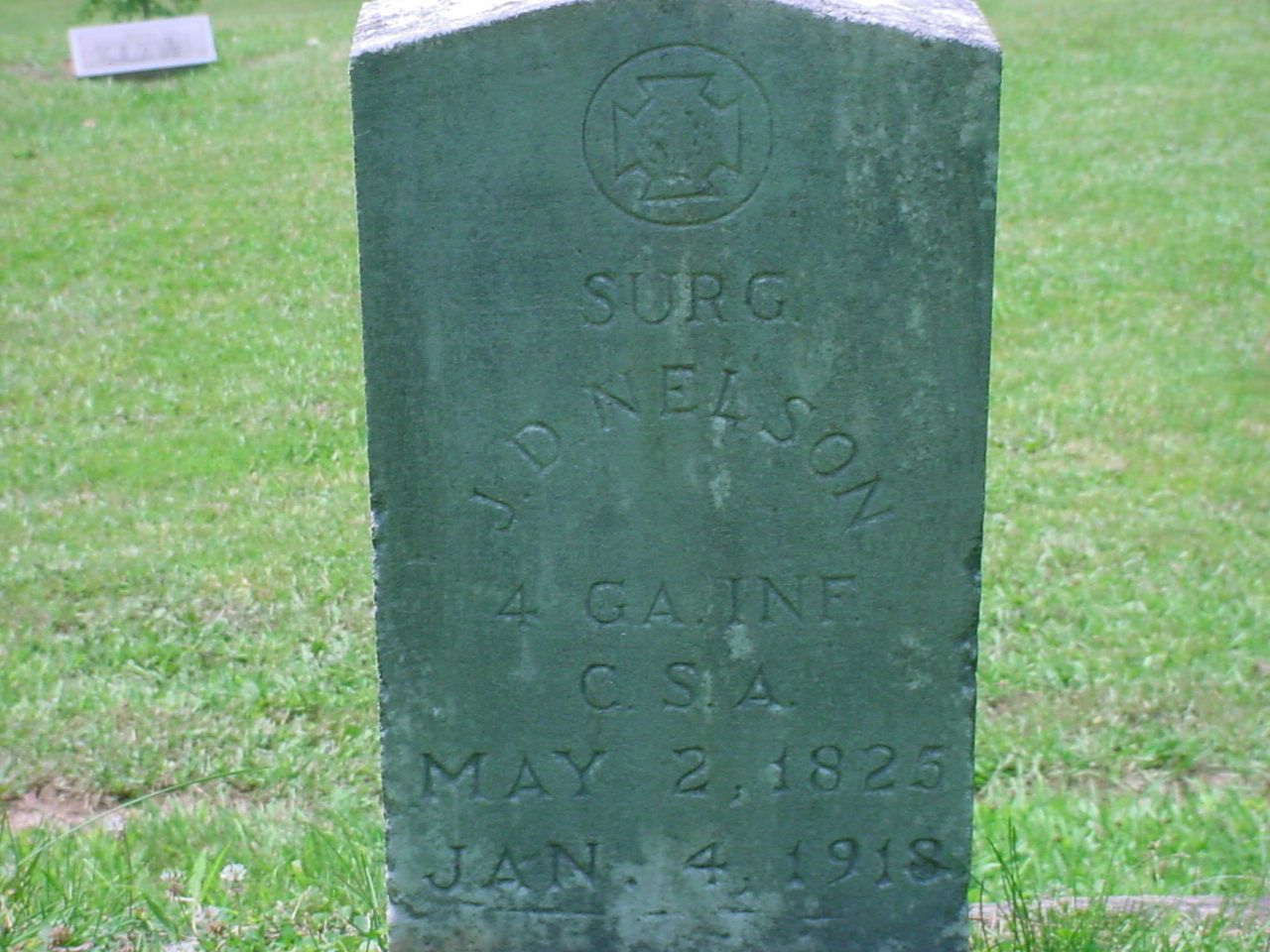
Then came the Civil War. At least one account claims he was a surgeon during part of the war. What is certain is that the old blacksmith made many a rifle and horseshoe, and mended many a wagon wheel, for the soldiers. A half dozen of the guns he made are still in the possession of his descendants. Enough people had by now located near him that the place had a name—his name. But soon after the War, steam engines began sawing lumber, and the virgin forest quickly disappeared. Everything around him had changed. On one of his last days in the area, folks watched the old farmer picking his final crop of cotton while next door a huge marble mill now cast a shadow across the land. When the railroad cut through his land beside the mill, he packed up his belongings and moved north to a farm between Cherry Log and Ellijay, in search of more wilderness. After his second (or possibly his third?) wife died on that second farm, he moved to Dalton to live with his daughter. He died there, far away from the spring in the valley near the creek where the Indians used to come and watch him “melt the stones.” The log home he’d built and left behind would remain until the 1930s, when a bulldozer pushed it over to make room for a new paved highway. And with that, all that remained to remember John D. Nelson, the blacksmith who first settled here, was a city bearing his name. I started with a rock song from my youth; it seems appropriate to end with yet another one, this time the Eagles’ “The Last Resort,” which sums up even more succinctly how it all ended: And you can see them there on Sunday morning Stand up and sing about what it’s like up there They call it “Paradise,” I don’t know why You call some place Paradise, kiss it goodbye.